
▶Table of Contents
- 1. Introduction to Modern Ceiling Systems
- 2. What is a PVC Ceiling Tile? Material & Composition
- 3. Core Advantages of Installing a PVC Ceiling Tile
- 4. Primary Uses and Applications Across Spaces
- 5. Core Factors Influencing PVC Ceiling Tile Pricing
- 6. PVC Ceiling Tile Price Comparison Table
- 7. Installation Methods and Accessory Costs
- 8. PVC Ceiling Tile vs. Gypsum, Mineral Fiber, and Metal
- 9. Long-Term Durability and Maintenance Protocol
- 10. Buyer’s Guide: Sourcing the Best PVC Ceiling Tile Solutions
- 11. Conclusion
- 12. Frequently Asked Questions (FAQ)
1. Introduction to Modern Ceiling Systems
Selecting the appropriate architectural finishes for overhead surfaces requires a delicate balance between visual aesthetics, moisture resistance, maintenance costs, and structural longevity. In modern commercial and residential construction, the PVC ceiling tile has emerged as one of the most versatile and cost-effective solutions available today. Interior architects and engineering contractors constantly seek building materials that minimize structural load while offering superior defense against environmental degradation, water exposure, and biological growth.
Architects, interior designers, and general contractors frequently specify a premium PVC ceiling tile when designing environments subjected to high humidity, strict hygiene standards, or budget constraints. Unlike traditional ceiling systems that deteriorate when exposed to moisture or ambient humidity fluctuations, synthetic polymer ceiling panels provide an engineered surface that maintains dimensional stability across decades of continuous service.
Whether you are renovating a commercial kitchen, upgrading a healthcare facility, or refinishing a residential basement, incorporating a high-grade PVC ceiling tile offers an array of functional benefits. From dampening ambient noise to reflecting internal light efficient across room envelopes, synthetic ceiling tiles transform underutilized ceiling space into sleek, architectural assets.
Understanding how a PVC ceiling tile compares with traditional plasterboard or acoustic mineral fiber options is vital for making an informed purchasing decision that aligns with your architectural objectives. This comprehensive guide explores material science, pricing structures, applications, installation workflows, and long-term lifecycle value for property managers, contractors, and interior designers alike.
2. What is a PVC Ceiling Tile? Material & Composition
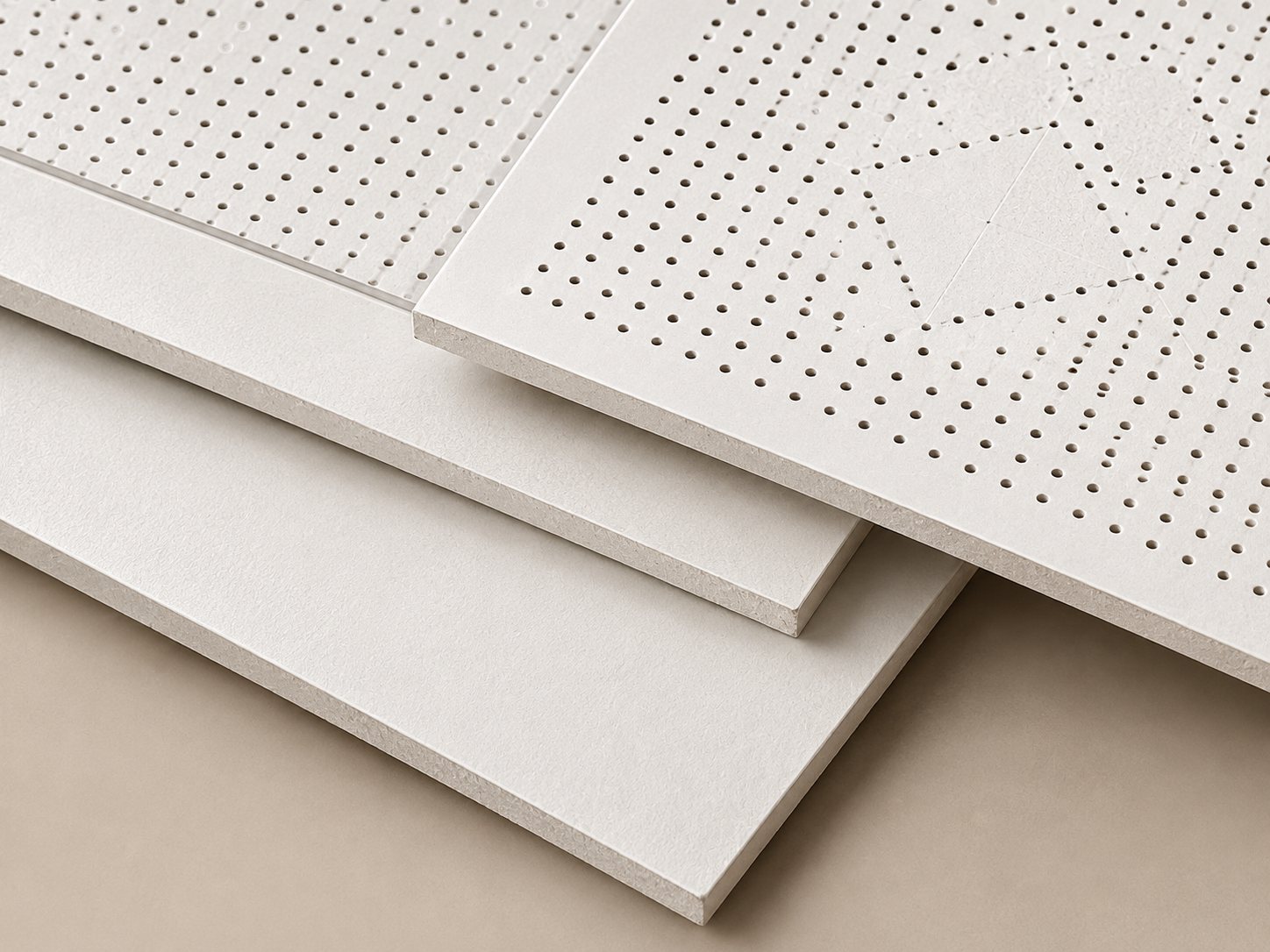
At its core, a PVC ceiling tile is a synthetic building component manufactured from polyvinyl chloride resin blended with stabilizing compounds, impact modifiers, and light pigments. Through specialized manufacturing processes, synthetic polymers are combined with precise quantities of calcium carbonate filler to yield a durable, light-reflective ceiling solution engineered for heavy-duty structural applications.
During the extrusion process, raw materials are heated and molded into lightweight, rigid ceiling panels. A standard PVC ceiling tile features a hollow-core or honeycombed internal structure. This cellular interior provides crucial structural rigidity while eliminating excess weight that would otherwise stress overhead suspension grids or mounting substrates.
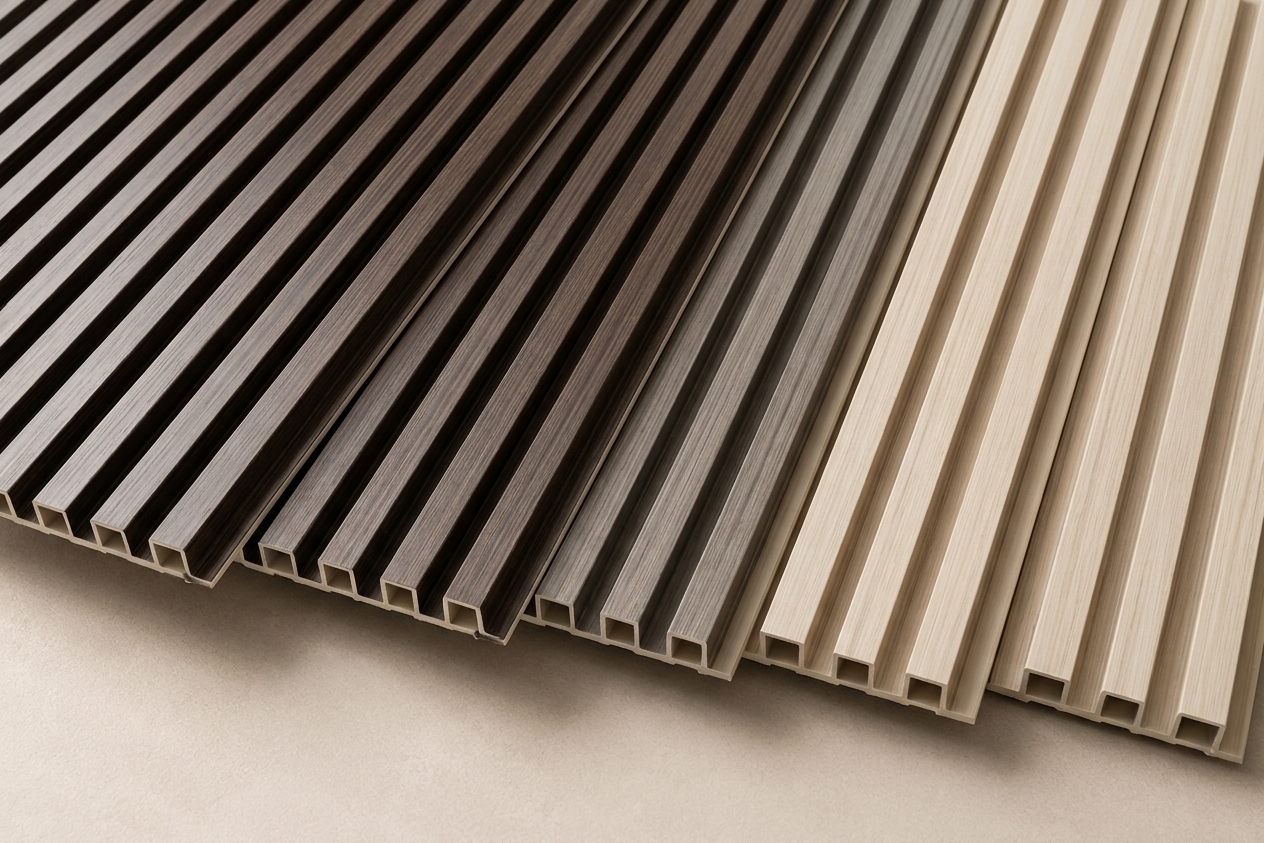
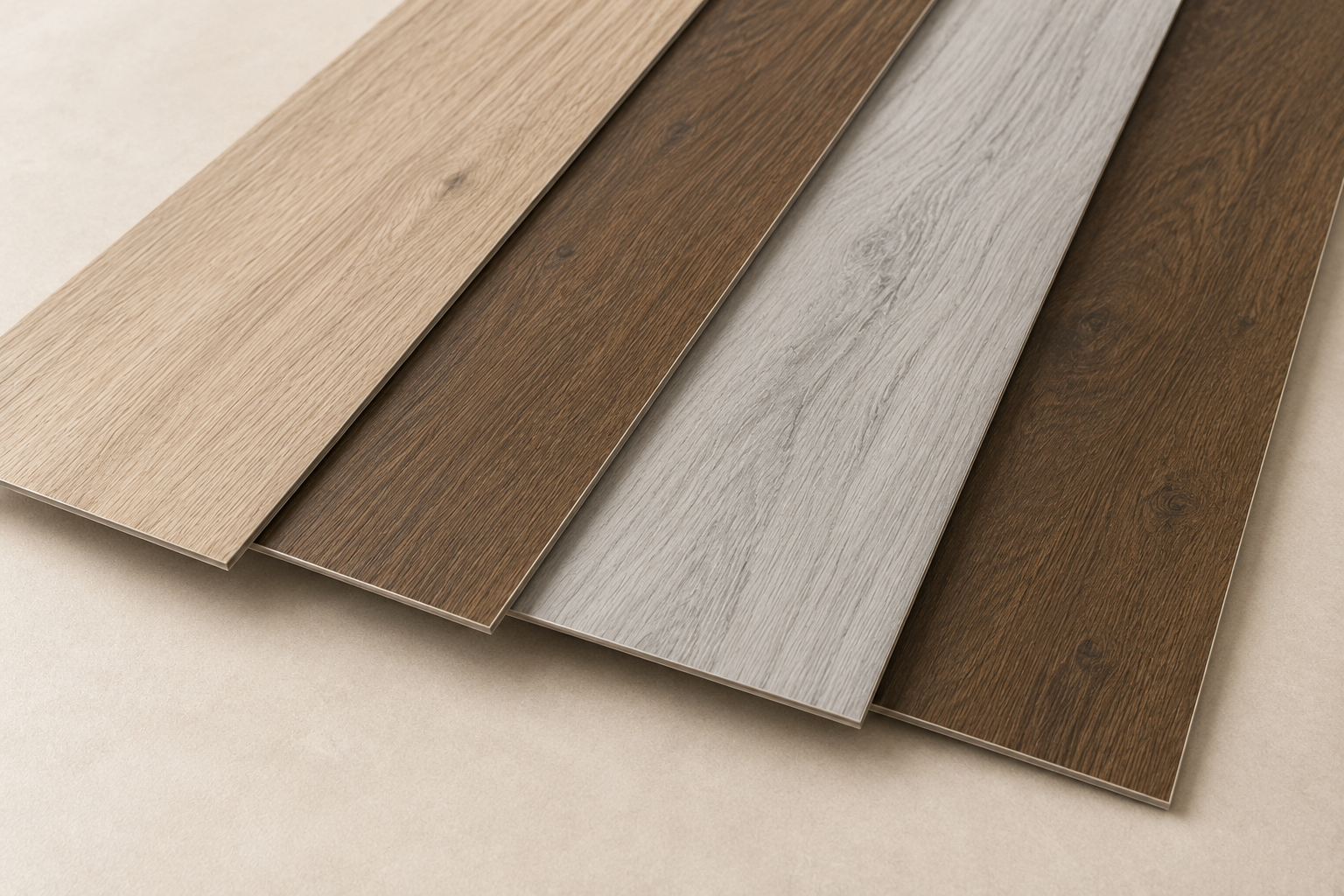
This unique cellular configuration provides exceptional strength-to-weight ratios, ensuring that each PVC ceiling tile remains structurally sound without sagging under humid conditions. The exterior surface can then be treated with hot-stamped foils, high-definition digital laminates, or UV-protective acrylic coats to emulate raw natural materials like timber, brushed metals, or decorative plasterwork. Incorporating thoughtful structural elements into overall Interior Decoration layouts helps elevate functional ceiling tiles into central visual features.
3. Core Advantages of Installing a PVC Ceiling Tile
One of the most compelling reasons to choose a PVC ceiling tile over traditional organic alternatives is its absolute resistance to water and moisture absorption. Where conventional gypsum or mineral fiber tiles absorb ambient humidity, swell, warp, and host mold colonies, synthetic polymer tiles remain entirely unaffected by water exposure.
In environments prone to steam and dampness, a conventional ceiling tile will absorb water, expand, warp, and foster toxic mold growth. In contrast, a waterproof PVC ceiling tile retains its structural integrity indefinitely. This complete impermeability makes synthetic panels ideal for indoor swimming pools, commercial dishwashing stations, healthcare facilities, and coastal structures subject to intense ocean air humidity.
Additionally, a modern PVC ceiling tile requires minimal surface maintenance, eliminating the need for periodic repainting, sealing, or specialized chemical cleaning. Dust and atmospheric grime are effortlessly wiped away using basic soap solutions, drastically lowering ongoing facility operating expenditures across commercial properties.
The lightweight nature of each PVC ceiling tile speeds up the installation process dramatically, reducing overall labor overhead and structural load on drop-grid suspension frameworks. Workers can handle, cut, and seat individual panels with speed and precision, translating into significant labor cost savings on commercial build-outs and residential updates.
4. Primary Uses and Applications Across Spaces
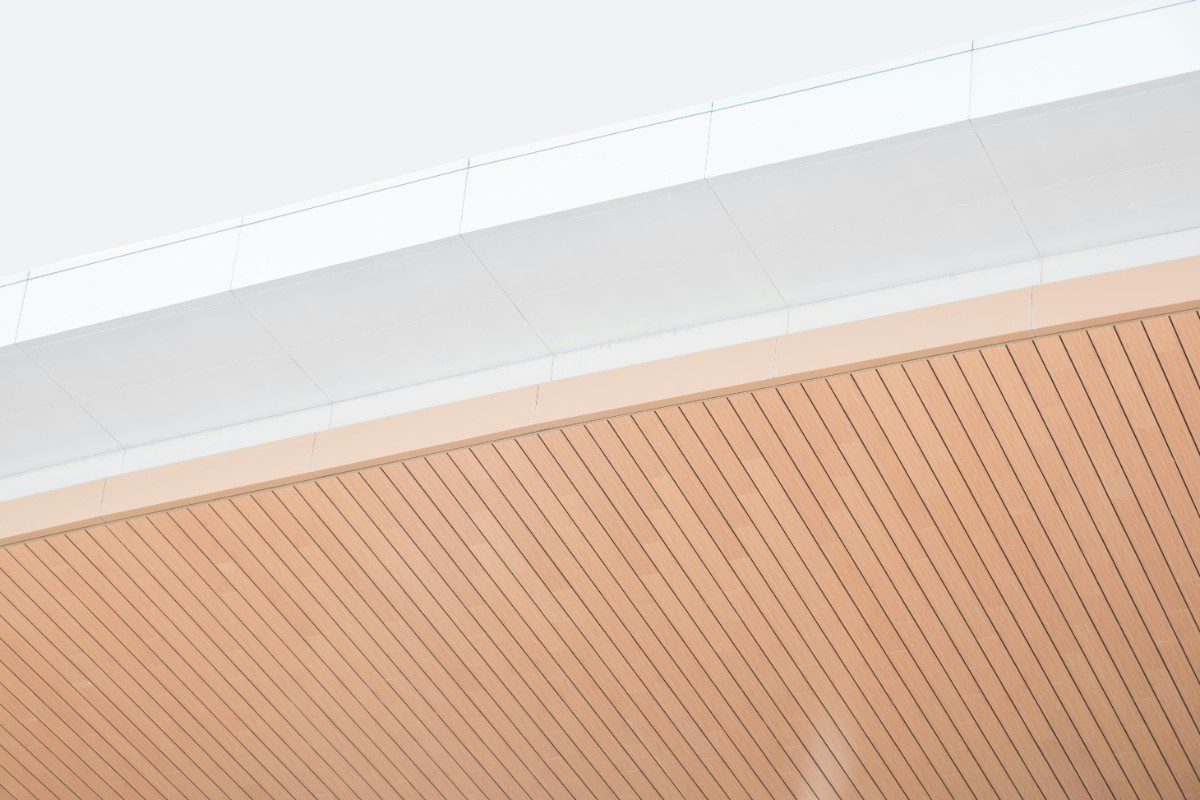
Because of its superior mechanical properties, the practical applications for a PVC ceiling tile span across multiple residential, commercial, and industrial sectors. Their ability to handle high moisture levels without surface degradation opens up options for spaces where conventional building materials regularly fail.
In residential settings, homeowners frequently select a stylish ceiling tile for home applications such as basements, bathrooms, laundry rooms, and kitchens. These areas typically feature elevated relative humidity levels that rapidly destroy standard plasterboard ceilings, making synthetic panels the ultimate preventative solution.
When designing cohesive residential interiors, incorporating a PVC ceiling tile alongside vertical accents like a thermowall system creates a sophisticated, moisture-proof living environment. Combining matching wall paneling and overhead ceiling systems delivers an elevated architectural look with complete defense against humidity.
In commercial facilities such as restaurants, food processing plants, and medical clinics, installing an antibacterial PVC ceiling tile satisfies stringent municipal health standards. The smooth, non-porous surface leaves no microscopic crevices where bacteria, fungi, or airborne pollutants can take root and multiply.
Furthermore, retail spaces and office complexes benefit from the clean reflective finish of a decorative PVC ceiling tile, which enhances ambient lighting efficiency across large floor plates. By reflecting both artificial and natural sunlight, bright ceiling surfaces reduce overall energy usage needed to light large commercial spaces.
Industrial facilities with high humidity or chemical vapor exposure also rely on a heavy-duty PVC ceiling tile to prevent surface corrosion and structural degradation. Facilities like car washes, laboratories, and manufacturing plants benefit from the non-reactive nature of polyvinyl chloride chemistry.
5. Core Factors Influencing PVC Ceiling Tile Pricing
When assessing procurement budgets, understanding the main variables that affect the overall price of a PVC ceiling tile is essential for accurate project forecasting. Prices fluctuate significantly based on raw material quality, surface finish, board density, and fire resistance ratings.
Raw material purity plays a decisive role: a high-density PVC ceiling tile manufactured from virgin polymer commands a higher price tag than low-density tiles made with recycled fillers. Higher virgin polymer content ensures superior impact resistance, cleaner cut edges, and long-term color stability without yellowing over time.
Surface finish technologies, such as lamination, hot stamping, 3D printing, or UV-cured protective topcoats, directly influence the cost per square foot of a PVC ceiling tile. High-definition faux wood finishes or metallic textures require complex multi-pass printing equipment, raising overall manufacturing costs compared to standard flat matte white panels.
Additionally, dimensional specifications—such as tile thickness, edge profiles (tegular vs. square edge), and fire-retardant additive ratings—affect the manufacturing cost of a PVC ceiling tile. Thicker tiles with Class A fire retardant ratings require specialized chemical formulation, driving up unit costs while meeting strict commercial fire safety standards.
For detailed comparison across vertical wall systems, reviewing our guide on PVC Wall Panel Price metrics will provide valuable context regarding raw material pricing trends.
6. PVC Ceiling Tile Price Comparison Table
Selecting the optimal PVC ceiling tile depends on balancing your project budget with required physical specifications. The table below outlines typical commercial price points, physical attributes, and primary use cases across common ceiling tile formats:
| Tile Category / Type | Thickness (mm) | Surface Finish | Estimated Cost (per sq ft) | Primary Application |
|---|---|---|---|---|
| Standard Laminated PVC Tile | 7mm – 8mm | Matte / Gloss Laminate | $1.20 – $2.50 | Residential & Commercial Drop Grids |
| High-Density Hot Stamped PVC Tile | 8mm – 10mm | Metallic / Faux Wood | $2.50 – $4.50 | Retail, Offices, Hospitality |
| 3D Embossed Architectural PVC Tile | 10mm – 12mm | Textured / 3D Pattern | $4.00 – $7.00 | Feature Ceilings & Accent Rooms |
| Acoustic Backed / Heavy Duty PVC Tile | 10mm + Insulation | UV Coated / Sound Dampening | $5.50 – $9.00 | Hospitals, Cleanrooms, Executive Suites |
Bulk purchasing options for a standard commercial PVC ceiling tile can yield significant volume discounts for large commercial developments. Facility planners should consult manufacturers early to optimize material ordering and minimize logistics costs.
7. Installation Methods and Accessory Costs
Installing a PVC ceiling tile is typically faster and less labor-intensive than installing gypsum drywall ceiling systems. The simplified installation process reduces project schedules and lowers total contractor labor expenditures on major retrofits.
Most commercial installations utilize a suspended T-bar grid where each PVC ceiling tile drops neatly into the exposed metal framework. Standard grid sizes (such as 2×2 feet or 2×4 feet) accommodate standardized tiles without requiring custom modifications, ensuring fast drop-in mounting across vast floor areas.
For direct surface mounting over existing drywall or concrete ceilings, a high-tack adhesive or concealed mechanical fastens are used to secure each PVC ceiling tile flush. Direct-glue installations require flat, clean surface substrates but eliminate the need for drop-grid hardware overhead.
Proper planning during grid layout ensures uniform perimeter cuts and minimal wastage when cutting a PVC ceiling tile around lighting fixtures, sprinklers, or HVAC diffusers. Standard utility knives, fine-tooth saws, or laser cutting tools cut clean lines without fracturing or chipping panel edges.
8. PVC Ceiling Tile vs. Gypsum, Mineral Fiber, and Metal
When comparing architectural ceiling options, choosing a PVC ceiling tile offers distinct material advantages over mineral fiber and gypsum ceiling boards. Analyzing technical specifications reveals clear structural performance differences under real-world conditions.
Mineral fiber tiles tend to absorb atmospheric humidity, resulting in unsightly water staining, sagging, and mold growth, whereas a PVC ceiling tile is completely impervious to water. Once a mineral fiber tile absorbs water, its structural strength vanishes, requiring complete replacement. Synthetic tiles simply repel water completely.
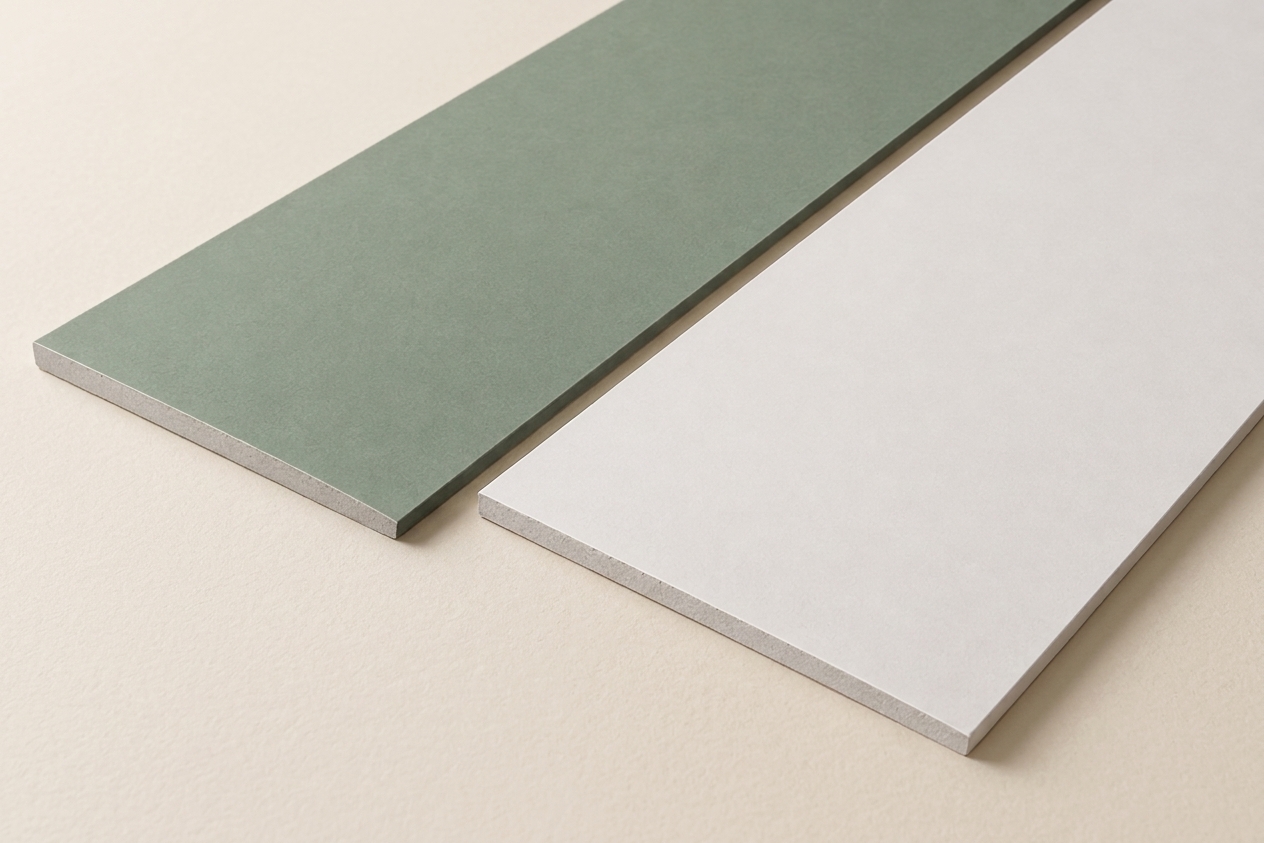
Gypsum tiles are heavy and fragile, making handling difficult, while a lightweight PVC ceiling tile drastically reduces structural dead load and speeds up installation. Dropping or mis-handling a gypsum tile during installation breaks corners easily, producing construction site dust and material waste.
Furthermore, metal ceiling panels, though durable, are far more expensive and prone to scratching or denting compared to an impact-resistant PVC ceiling tile. Polymer ceiling tiles offer structural resiliency against accidental impacts without requiring specialized metallic coatings or rust protection.
9. Long-Term Durability and Maintenance Protocol
The operational longevity of a high-quality PVC ceiling tile easily exceeds 15 to 20 years under normal environmental conditions. The non-corrosive nature of polyvinyl chloride keeps panels structural sound and color-fast throughout their operational lifespan.
Cleaning a PVC ceiling tile requires nothing more than wiping the surface with a soft micro-fiber cloth and warm water with mild detergent. Routine cleaning removes airborne dust, cooking greases, or surface smudges without requiring specialized sealants or polishers.
Unlike organic ceiling materials that deteriorate when exposed to moisture or standard sanitizing sprays, a PVC ceiling tile can be repeatedly disinfected without color degradation or surface warping. This property makes polymer tiles the preferred finish for commercial kitchens and medical cleanrooms that undergo daily chemical washdowns.
10. Buyer’s Guide: Sourcing the Best PVC Ceiling Tile Solutions
To ensure you secure top-grade products for long-term architectural performance, following a structured, technical purchasing strategy when shopping for a PVC ceiling tile is crucial. Low-quality imported tiles often incorporate excess calcium carbonate filler to cut production costs, producing brittle tiles that crack easily during cut-fitting or sag prematurely under environmental stress.
When evaluating potential suppliers, assessing raw polymer purity must be your first priority. High-grade architectural panels utilize virgin polyvinyl chloride resin balanced with premium impact modifiers and light stabilizers. This precise chemical formulation ensures that each PVC ceiling tile retains its flexible structural strength, crisp corner geometry, and vibrant surface color over decades of continuous exposure to indoor lighting and humidity.
Always verify fire safety ratings, smoke development indexes, and indoor air quality certifications prior to committing to a specific PVC ceiling tile manufacturer. Premier panels undergo rigorous laboratory testing to achieve Class A fire resistance ratings (under recognized standard test methods such as ASTM E84), ensuring minimal flame spread and low smoke generation during fire emergencies. Furthermore, verifying zero-VOC emissions and heavy-metal-free compliance (such as lead-free certifications) guarantees zero toxic off-gassing, maintaining safe air quality for occupants in schools, healthcare facilities, and residential spaces.
You can learn more about us and our rigorous material quality control procedures to understand how commercial-grade polymers are processed, tested, and certified to satisfy strict international building codes.
Before placing large commercial orders, architects and project managers should request physical samples to perform hands-on quality evaluations. Test the sample for flexural strength by bending the edge slightly; a well-engineered PVC ceiling tile will flex under pressure without snapping, cracking, or showing stress-whitening along the fold line. Additionally, inspect the surface coating for uniform film thickness, crisp pattern detail, and scratch resistance against everyday installation tools.
We invite project managers, interior contractors, and facility directors to browse our extensive online Shop to compare various surface finishes, dimensional profiles, and technical specifications for any PVC ceiling tile design tailored to your space.
Logistics and supply chain reliability represent another vital aspect of successful material procurement. Always confirm supplier warehouse inventory capacity and batch-to-batch color consistency, particularly for multi-phase commercial construction projects where material orders may be delivered months apart. Establishing a partnership with a dependable distributor prevents shade variations across continuous ceiling grid runs.
If you have custom sizing requirements, specialized fire-rating needs, or bulk commercial inquiries for major real estate developments, feel free to contact us to request physical sample kits, technical data sheets, and direct factory volume pricing.
Ultimately, selecting a certified, high-density PVC ceiling tile ensures full compliance with commercial building codes while delivering long-term aesthetic and functional value. Working with established supply partners guarantees material consistency, extended warranties, and expert technical support throughout every phase of your project lifecycle.
11. Conclusion
In summary, specifying a PVC ceiling tile delivers an unbeatable combination of total moisture resistance, structural durability, aesthetic flexibility, and low long-term lifecycle costs. For commercial developers and homeowners alike, synthetic ceiling systems remove the risk of water damage, biological mold growth, and ongoing structural upkeep.
Whether specified for high-humidity residential spaces or large-scale commercial facilities, a premium PVC ceiling tile represents a future-proof investment in interior architectural finishing. By choosing high-density virgin polymer options and following standard grid installation methods, property owners enjoy pristine ceiling surfaces that stand up to decades of continuous use.
12. Frequently Asked Questions (FAQ)
For more answers to common technical and pricing inquiries, you can also explore our dedicated FAQ page, which is regularly updated by our technical engineering team.
Q1: Why is a PVC ceiling tile ideal for high-humidity environments?
A1: A PVC ceiling tile is manufactured from non-porous synthetic polymer resins that absorb zero moisture. Unlike mineral fiber or organic drywall, polymer tiles will not expand, warp, soften, or foster mold growth when subjected to continuous high humidity or steam exposure.
Q2: Can a standard PVC ceiling tile be installed in outdoor covered areas?
A2: Yes, provided the PVC ceiling tile incorporates specialized UV-stabilizing additives. Outdoor covered spaces like patios or verandas benefit from polymer moisture protection, though direct UV exposure requires UV-treated formulations to prevent surface discoloration over time.
Q3: Are synthetic ceiling tiles safe regarding interior fire standards?
A3: High-grade polymer ceiling tiles are formulated with self-extinguishing flame retardants. Commercial-grade tiles achieve Class A or Class B fire safety ratings, meaning they do not support active combustion or spread flame across ceiling assemblies.
Q4: How do synthetic ceiling tiles influence interior room lighting?
A4: Light-colored or laminated ceiling tiles exhibit high surface light reflectance (LR-1 rating). This high reflectivity bounces artificial and natural light efficiently throughout the room, reducing electric illumination requirements and overall energy bills.
Q5: Can polymer ceiling tiles be cut easily around lights and HVAC vents?
A5: Yes. Polymer panels cut cleanly using standard utility knives, hole saws, or fine-tooth woodworking saws without creating fibrous dust or fragile edge fractures typical of mineral fiber options.