
▶Table of Contents
- 1. Introduction to Advanced Building Envelopes
- 2. What is a Thermal Wall Panel? Core Engineering & Material Science
- 3. Key Engineering Benefits: R-Value, Acoustic Control, and Moisture Defense
- 4. Material Classifications: EPS, XPS, PIR, and Vacuum Insulation
- 5. Financial Analysis: Understanding Thermal Wall Panel Cost Drivers
- 6. Technical Specification & Pricing Matrix
- 7. Architectural Applications in Residential & Commercial Structures
- 8. Step-by-Step Installation Methodology & Best Practices
- 9. Thermal Wall Panel vs. Traditional Cavity Insulation
- 10. Calculating Long-Term ROI and Energy Audits
- 11. Quality Standards, Certifications, and Sourcing Strategies
- 12. Strategic Takeaways & Architectural Synthesis
- 13. Frequently Asked Questions (FAQ)
1. Introduction to Advanced Building Envelopes
Modern architectural design and structural engineering prioritize energy conservation, environmental sustainability, and indoor climate precision. Building envelopes are no longer static barriers; they are dynamic system performance layers engineered to mitigate heat loss, regulate vapor movement, and slash structural operational costs. In contemporary high-performance construction, selecting a high-performance thermal wall panel system has shifted from an optional luxury to an absolute necessity for compliance with modern building codes and thermal efficiency standards.
Energy loss through uninsulated or poorly insulated perimeter walls accounts for up to 35% of total space-conditioning energy expenditure in commercial and residential properties. Integrating a modern thermal wall panel directly addresses heat transfer mechanics—conduction, convection, and radiation—by establishing a continuous insulation layer that eliminates destructive thermal bridges. Whether upgrading aging infrastructure or designing zero-net-energy buildings, architects rely heavily on continuous structural thermal insulation systems.
Evaluating thermal wall panel efficiency involves understanding thermal resistance (R-value), thermal transmittance (U-factor), vapor permeability, and mechanical bond strength. This comprehensive guide covers technical specifications, material selections, installation guidelines, cost breakdowns, and structural applications to assist developers, engineers, and property owners in optimizing building performance.
2. What is a Thermal Wall Panel? Core Engineering & Material Science
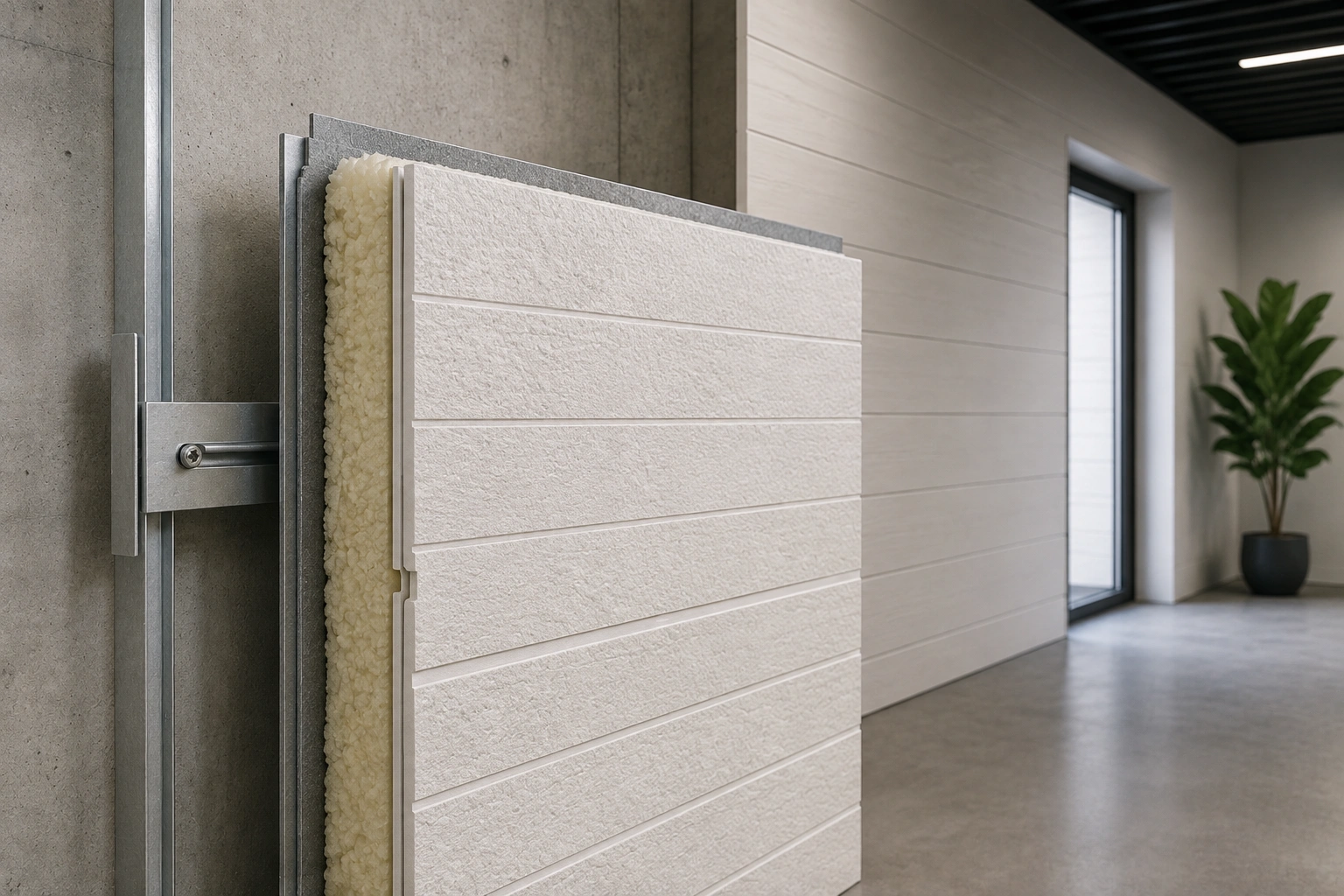
At its architectural core, a thermal wall panel is a composite assembly designed to provide localized thermal resistance, moisture protection, and structural cladding integration within a single prefabricated unit. Unlike traditional multi-layered wall assemblies—which require separate framing, loose fiberglass batts, exterior sheathings, and weather barriers—a pre-engineered insulation cladding system combines these vital functions into a cohesive, high-density panelized board.
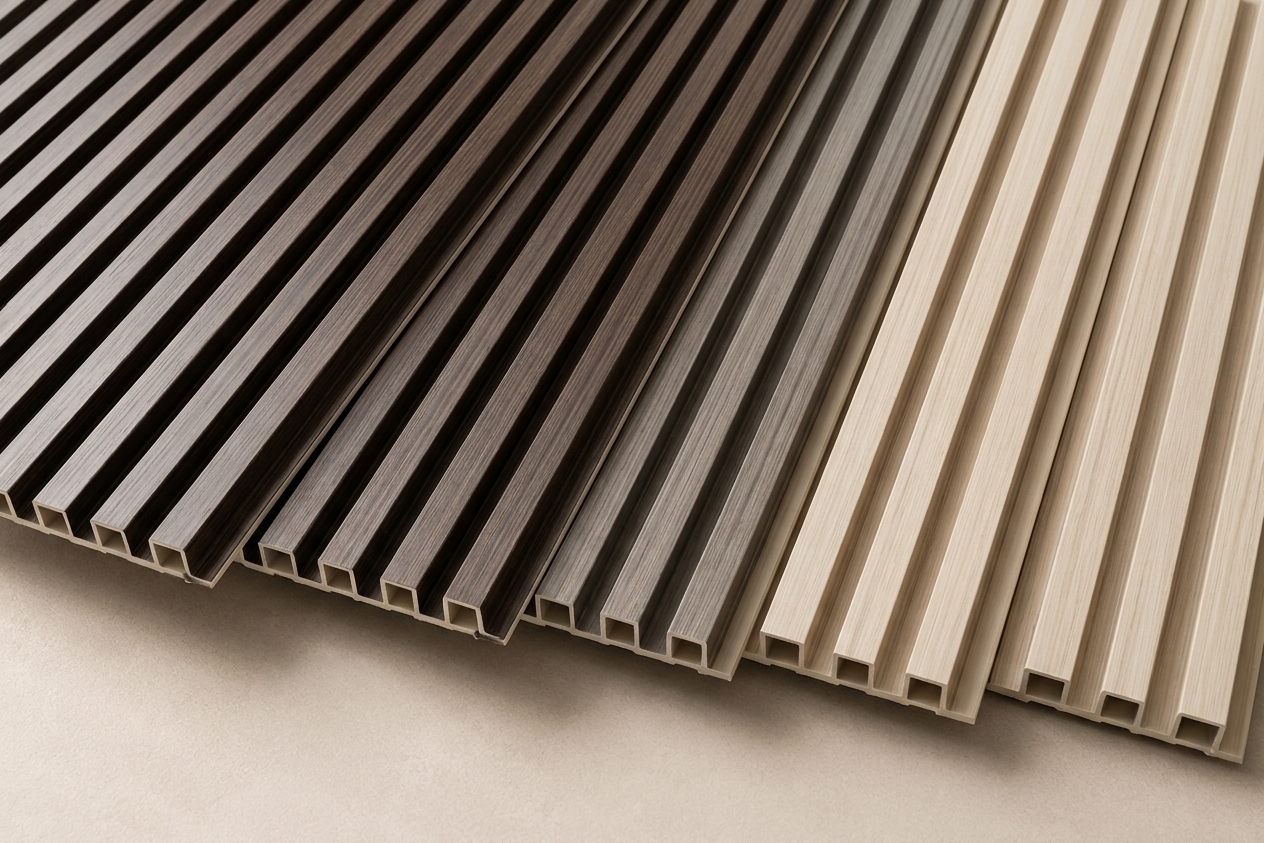
When evaluating a basic thermal wall panel, engineers examine the core insulating substrate and its protective exterior facings. Core materials range from Expanded Polystyrene (EPS) and Extruded Polystyrene (XPS) to rigid Polyisocyanurate (PIR) and phenolic foams. Surrounding this core are decorative or protective facing membranes, including high-impact PVC layers, aluminum foils, cementitious board skins, or engineered wood finishes like Thermowall decorative slatted profiles.
The outer sheath of a thermal wall panel protects the internal insulating matrix against ambient weather conditions, mechanical impact, UV radiation, and moisture ingress. At the same time, the closed-cell foam substrate retains low gas conductivity inside its cell structure, inhibiting heat flow even under extreme temperature gradients between internal and external environments.
Unlike traditional loose-fill or unfaced fiberglass roll insulation, every thermal wall panel manufactured today guarantees structural uniformity. Factory-controlled production ensures constant density, consistent core thickness, zero risk of internal insulation sagging, and long-term dimensional stability that lasts decades without thermal degradation.
3. Key Engineering Benefits: R-Value, Acoustic Control, and Moisture Defense
Implementing continuous insulated wall assemblies offers profound structural advantages that extend far beyond initial heating bill reductions. Understanding these core engineering benefits allows project managers to select materials tailored to specific environmental stressors and regional energy standards.
Installing a continuous thermal wall panel substantially reduces thermal bridging across steel or timber studs. Structural framing members typically exhibit high thermal conductivity, allowing energy to bypass cavity insulation. By mounting panels uninterrupted across the interior or exterior surface, thermal short-circuits are completely sealed, stabilizing interior ambient temperatures and drastically easing the load on mechanical HVAC systems.
An advanced thermal wall panel serves as an effective vapor barrier and moisture management layer. Interstitial condensation occurs when warm, humid interior air penetrates unsealed walls and meets cold exterior surfaces, leading to mold proliferation, wood rot, and structural decay. Closed-cell insulated panels maintain wall cavity temperatures well above the dew point, effectively mitigating condensation risks.
Beyond thermal regulation, a high-density thermal wall panel attenuates airborne sound transmission. The composite material layers break sound waves, reducing exterior noise transmission (such as traffic, aviation, and heavy machinery) by up to 28-35 Sound Transmission Class (STC) points. For multi-family residential complexes or commercial office layouts, this acoustic dampening creates quiet, premium indoor spaces.
Fire safety design ensures that a certified thermal wall panel complies with flame spread and smoke development safety standards. Core formulations incorporate fire-retardant additives, allowing high-performance polyurethane and phenolic panels to achieve Class A fire ratings (ASTM E84 standard test for surface burning characteristics of building materials), slowing flame spread and preventing hazardous dripping during structural fire incidents.
4. Material Classifications: EPS, XPS, PIR, and Vacuum Insulation
Selecting the optimal panel depends on specific architectural goals, space limitations, moisture exposure levels, and budgetary boundaries. The market features four main chemical and material formulations, each engineered for distinct thermal performance profiles.
The structural EPS thermal wall panel offers a cost-effective solution for exterior envelopes and residential interior partitions. Expanded Polystyrene features a closed-cell cellular structure composed of 98% trapped air. EPS provides consistent thermal performance (typically R-3.8 to R-4.2 per inch) at a lower weight and price, making it popular for budget-conscious retrofits and light commercial spaces.
For demanding high-humidity environments, an XPS thermal wall panel provides high compressive strength and exceptional water resistance. Extruded Polystyrene features a completely sealed, non-porous cellular matrix with an R-value of approximately R-5.0 per inch. XPS panels excel in below-grade basements, masonry foundation interiors, wet-room claddings, and high-impact commercial corridors.
A polyurethane or PIR thermal wall panel delivers superior R-values per inch (R-6.0 to R-6.8 per inch). Polyisocyanurate utilizes a closed-cell foam core thermoset polymer bonded to foil or fiberglass facings. PIR exhibits exceptional fire resistance and low thermal conductivity, making it the industry standard for high-performance commercial buildings, cold-storage units, and space-restricted interiors requiring maximum insulation in a thin profile.
For ultra-thin profile requirements, a vacuum-insulated thermal wall panel offers unmatched performance (R-25 to R-40 per inch). Utilizing a micro-porous core evacuated of air and sealed in a gas-tight envelope, vacuum insulation panels (VIPs) are deployed in zero-energy architectural projects where spatial efficiency is critical.
5. Financial Analysis: Understanding Thermal Wall Panel Cost Drivers
Navigating the financial aspects of commercial cladding retrofits requires a thorough breakdown of raw material costs, manufacturing densities, structural finishes, and labor considerations. Evaluating upfront purchase price against lifetime utility savings enables precise financial planning.
When budgeting, the initial thermal wall panel cost depends heavily on raw material grade and foam substrate selection. Standard EPS-cored options represent the lowest material expense ($15 to $28 per square meter), whereas specialized PIR and polyurethane formulations range higher ($35 to $65 per square meter) due to advanced chemical manufacturing processes and enhanced thermal metrics.
Manufacturing density directly dictates the total thermal wall panel pricing structure. Higher density ratings yield elevated compressive strength (measured in kilopascals, kPa), superior acoustic damping, and greater structural impact resistance. High-density panels engineered for heavy commercial foot traffic or exterior structural loads naturally cost more than lightweight interior decorative variants.
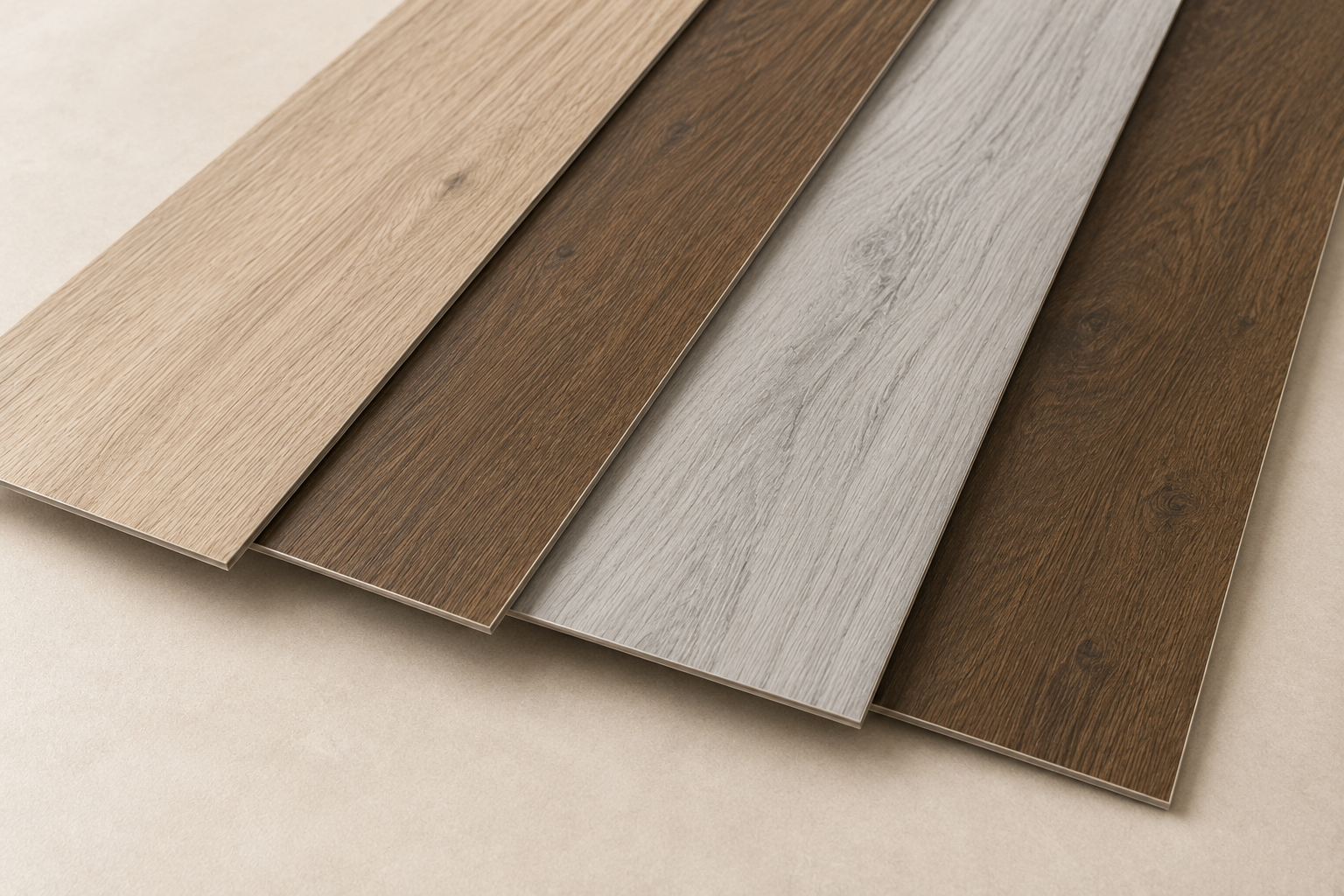
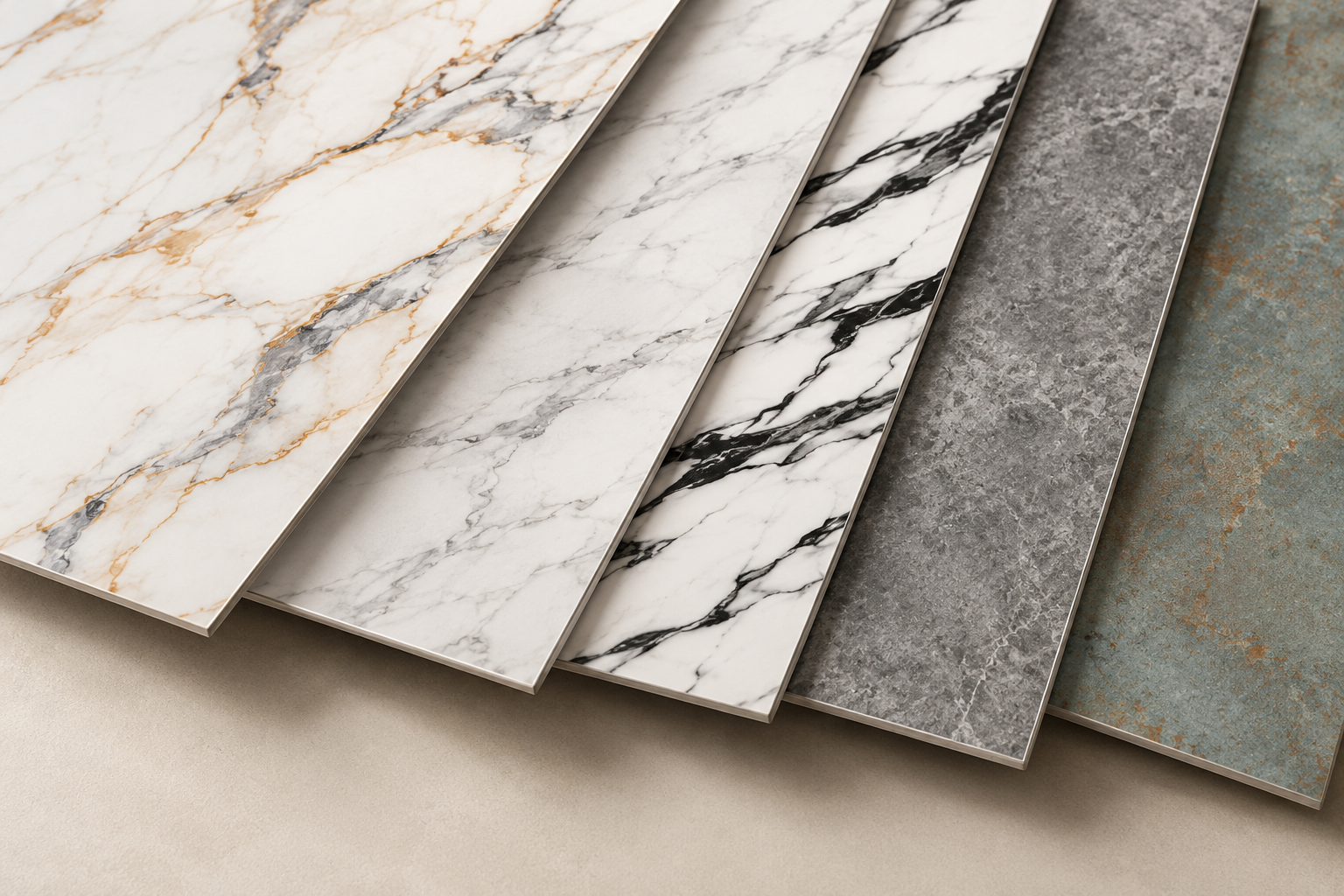
Custom finishings and facing materials can raise the thermal wall panel purchase price. Panels featuring basic foil barriers or plain cementitious backing are economical, whereas pre-laminated units with decorative stone textures, woodgrain embossing, architectural PVC finishes, or metallic sheathings carry premium prices. For comprehensive cost analysis across decorative choices, consult our dedicated PVC Wall Panel Price guide.
Transport logistics and panel dimensions also impact the final thermal wall panel project expenditure. Oversized panels reduce field installation labor but increase freight, handling, and crane requirements on site. Balancing panel size against job site labor costs is essential for maintaining accurate project budgets.
6. Technical Specification & Pricing Matrix
Below is a comparative breakdown showing how different panel types affect thermal wall panel performance, thermal values, moisture resistance, and estimated material expenditures.
| Panel Core Type | Average R-Value (per inch) | Moisture Permeability | Compressive Strength | Est. Price Range (USD / m²) | Primary Application |
|---|---|---|---|---|---|
| Expanded Polystyrene (EPS) | R-3.8 – R-4.2 | Moderate (1.0–3.5 Perms) | 10–30 PSI (Low/Medium) | $15 – $28 | Budget Interior & Exterior EIFS |
| Extruded Polystyrene (XPS) | R-5.0 | Low (< 1.0 Perms) | 25–100 PSI (High) | $25 – $42 | Basements, Foundations & Wet Areas |
| Polyisocyanurate (PIR) | R-6.0 – R-6.8 | Very Low (Foil Faced) | 16–25 PSI (Medium) | $35 – $65 | High-Performance Commercial Envelopes |
| Phenolic Foam | R-7.0 – R-8.0 | Low (< 0.8 Perms) | 20–35 PSI (Medium) | $45 – $75 | Ultra-Slim High-Efficiency Walls |
| Vacuum Insulation Panel (VIP) | R-25.0 – R-40.0 | Impermeable (0.0 Perms) | 12–20 PSI (Delicate core) | $120 – $220 | Passivhaus & Space-Constrained Urban Retrofits |
Selecting the proper thermal wall panel specification depends on structural load requirements, regional climate zones, and local energy code compliance targets.
Evaluating life-cycle cost alongside initial thermal wall panel price yields true ROI estimates, showing how higher initial material costs pay off through decades of lower utility bills.
7. Architectural Applications in Residential & Commercial Structures
In residential construction, applying a thermal wall panel along exterior perimeter walls minimizes heating costs while making interior spaces quieter and more draft-free. Single-family homes in harsh winter climates benefit greatly from continuous exterior installation, which stabilizes indoor temperatures and reduces HVAC wear.
Commercial retrofits frequently utilize a thermal wall panel system to achieve LEED certifications and reduce building operating expenses. Commercial buildings with large surface areas lose substantial energy through wall assemblies. Applying pre-finished exterior insulated panels modernized facade aesthetics while significantly reducing utility loads.
In cold storage and industrial facilities, a specialized thermal wall panel prevents thermal runaway and maintains precise temperature controls required for pharmaceuticals, food logistics, and processing plants. These engineered panels feature interlocking tongue-and-groove joints that form airtight hygienic seals across massive wall spans.
Architects designing passive houses specify a high-efficiency thermal wall panel envelope to create super-insulated, airtight structures requiring minimal active heating or cooling. When paired with high-performance roof systems and ceiling systems—such as structured PVC Ceiling Tile or specialized residential ceiling tiles for home layouts—the entire building envelope forms an airtight thermal shield.
8. Step-by-Step Installation Methodology & Best Practices
Proper surface preparation is crucial before securing any thermal wall panel to masonry, concrete, or framed studs. Walls must be structurally sound, dry, flat, and free of efflorescence, oil, or loose debris. Substrate irregularities greater than 5mm should be leveled using modified cementitious mortars before panel placement.
Applying continuous adhesive beads guarantees that the thermal wall panel forms an airtight seal against the substrate. High-tack polyurethane adhesives or modified polymer mortars should be applied using the perimeter-and-notch technique. This prevents air circulation behind panels, eliminating convective heat loss bypasses.
Fastening each thermal wall panel with non-conductive mechanical anchors prevents thermal bridging through structural fixings. Drive anchors with thermal break caps should penetrate solid substrates to depths recommended by structural engineers, especially in high-wind regions.
Sealing all joints with expandable foam ensures the thermal wall panel matrix maintains continuous air tightness. Panel interlocks, tongue-and-groove joints, and corner intersections must be sealed with specialized polyurethane foam sealant and taped with low-VOC vapor-barrier sealing tapes before installing exterior finish layers. For broader design ideas on pairing functional insulation with modern wall aesthetics, see our guide to modern Interior Decoration concepts.
9. Thermal Wall Panel vs. Traditional Cavity Insulation
Comparing traditional batt insulation with a rigid thermal wall panel highlights clear performance advantages in energy efficiency, structural longevity, and air barrier continuity.
While fiberglass slumps over time, a thermal wall panel maintains dimensional stability and rigid shape throughout its operating lifespan. Cavity-installed fiberglass batts are prone to settling, moisture absorption, and compression, creating thermal voids that compromise performance. Rigid factory-cured panels never slump or compress, preserving continuous thermal protection indefinitely.
Long-term thermal degradation is virtually non-existent in a high-grade thermal wall panel setup. Closed-cell polymer foams maintain stable internal gas matrixes, delivering reliable R-values for over 50 years without degradation from ambient humidity or temperature cycling.
10. Calculating Long-Term ROI and Energy Audits
Conducting an energy audit reveals how quickly a thermal wall panel installation pays for itself through reduced monthly heating and cooling bills. Thermal imaging scans routinely reveal massive heat leakage through uninsulated framing studs and unsealed wall joints—losses that continuous panel installations immediately eliminate.
Reduced HVAC cycling extends equipment life, adding indirect savings to your thermal wall panel investment. Compressors, burners, and blower fans operate less frequently and under lower loads, reducing mechanical maintenance expenses and extending equipment replacement schedules.
Property valuation increases significantly when structures feature a certified thermal wall panel building envelope. Modern buyers prioritize energy performance certificates (EPCs), low operating overhead, and eco-friendly structural designs, making super-insulated buildings highly attractive in competitive real estate markets.
11. Quality Standards, Certifications, and Sourcing Strategies
When sourcing products, verify that your selected thermal wall panel carries ISO 9001 quality certifications and passes standardized fire and thermal performance tests (such as ASTM C518 for thermal transmission and ASTM E84 for surface burning behavior). Independent lab certifications ensure manufactured panels perform as advertised under real-world conditions.
Working directly with a verified supplier ensures your thermal wall panel meets local building codes and structural requirements. Experienced suppliers provide complete technical data sheets, structural load calculations, custom length profiling, and detailed installation support. Browse our product catalog on our Shop page or consult with about us page to learn more about our engineering team and product certifications. For direct engineering inquiries, visit our contact us page.
12. Strategic Takeaways & Architectural Synthesis
Ultimately, choosing the right thermal wall panel requires balancing upfront material costs with long-term energy savings and overall structural requirements. High-density rigid insulated panels provide an airtight, moisture-resistant building envelope that cuts energy loss, dampens acoustics, and keeps indoor climate spaces comfortable year-round.
By specifying certified materials, following step-by-step installation practices, and working with reliable suppliers, property owners and architectural teams can turn energy-inefficient buildings into modern, high-value properties engineered for long-term performance.
13. Frequently Asked Questions (FAQ)
For more answers to common technical and pricing inquiries, you can also explore our dedicated FAQ page, which is regularly updated by our technical engineering team.
Q1: What is the expected lifespan of a professional-grade thermal wall panel?
A1: What is the expected lifespan of a professional-grade thermal wall panel? A high-quality, professionally installed thermal wall panel system typically maintains its structural integrity and insulating properties for 30 to 50+ years. Closed-cell polymer matrices like PIR and XPS resist moisture and biological degradation, preserving high thermal resistance indefinitely.
Q2: Can thermal wall panels be installed directly over existing masonry or brick walls?
A2: Yes. Thermal wall panels can be mounted over existing masonry, concrete block, or brick walls using a combination of high-tack polymer construction adhesives and specialized mechanical masonry anchors, provided the wall surface is clean, dry, and structurally sound.
Q3: Are thermal wall panels water-resistant enough for basement installation?
A3: Extruded Polystyrene (XPS) and faced Polyisocyanurate (PIR) panels are highly moisture-resistant and suitable for below-grade basement applications. They prevent moisture migration through foundation walls, protecting interior framing from condensation and mold.
Q4: How does a thermal wall panel affect the acoustic rating of a wall?
A4: A high-density rigid insulation panel adds mass and dampening layers to wall assemblies, typically improving Sound Transmission Class (STC) ratings by 3 to 8 points depending on density and composite facings, significantly cutting airborne noise transmission.
Q5: What fire safety ratings should I look for when purchasing insulated panels?
A5: Look for panels certified with a Class A flame spread rating according to ASTM E84 or equivalent local building codes (such as EN 13501-1 Class B-s1, d0 in Europe). This ensures low surface flame spread and minimal smoke generation in fire incidents.